The Future We See

Ocean intelligence should be usable where action has to happen.

Our Mission

To make frontier technology and siloed marine data discoverable and usable by all, so under-resourced countries and communities can create and implement marine protection measures, on the high seas and in their own waters.

In doing so, we aim to help the world conserve 30% of the ocean by 2030.

Our Vision

We see a future where marine evidence is no longer trapped behind technical and institutional barriers, but can travel into the rooms where decisions are made.

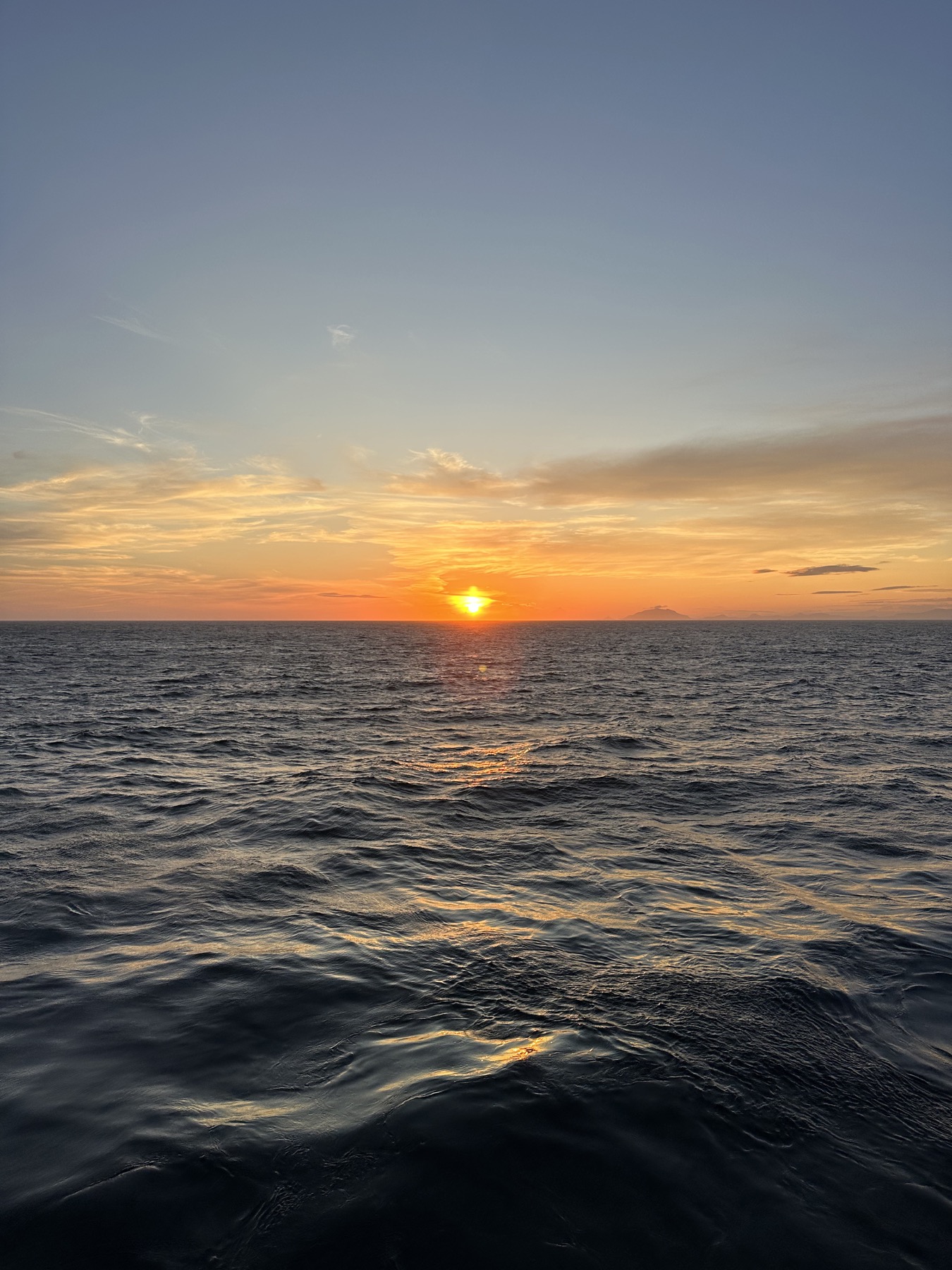
A low sunset over open ocean with dark water in the foreground and a clear horizon.

The Challenge

BBNJ Clearing-House Mechanism is difficult to build for the following reasons:

  1. 1.

    Fragmented Systems

    Existing tools and data required for the CHM are scattered and complex to integrate.

  2. 2.

    Complex Coordination

    Formal intergovernmental processes move through slow channels, leaving no opportunity to build, test, and iterate on technical tools before decisions are finalized.

  3. 3.

    Capacity Constraints

    Under-resourced countries lack engineering capacity, limiting their ability to implement and guide treaty mandates.

  4. 4.

    Technical Integration

    Without engineers bringing best practices, rapid iteration, and user feedback into multilateral processes, we get legal text with no path of practical technical integration.

Our Approach

Translating treaty mandates into working systems through workshops and engineering

Workshops: Prototyping via CoLabs

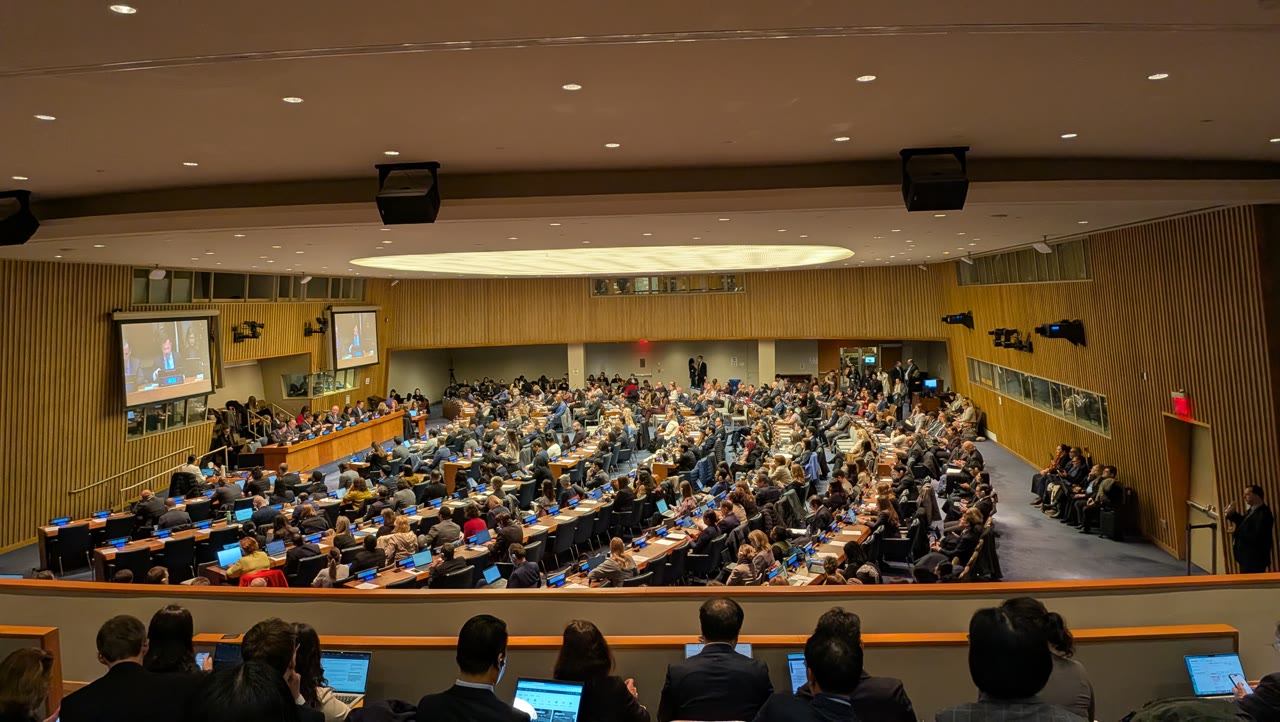
We operate as neutral engineering experts across diverse stakeholders. Our approach is to convene policymakers, local communities, scientific experts, and technologists to prototype CHM workflows with respect to legal requirements, user feedback, and engineering. We then share these findings through published documentation and demos to advance consensus.

Engineering: Bridging the Last Mile

We deliver accessible, user-ready tools, starting with the Treaty Explorer. This includes turning complex legal language, siloed marine data, agentic technology, and satellite monitoring layers into usable tools for people working on BBNJ.

  1. Co-design options
  2. Prototype workflows
  3. Publish findings
  4. Demo functionality
  5. Iterate toward consensus

The Impact

Consensus can form around evidence. Better-informed policies, faster responses to marine threats, and more inclusive decision-making processes that honor both scientific data and traditional knowledge systems.

Our Work

Three units working together

We structure the work this way because meaningful progress depends on more than a single tool or analysis. Strong ideas need research grounding, technical execution, and the relationships and funding that help them move forward.

Research

We collaborate with researchers, postdoctoral scholars, and academic teams on applied questions that benefit from technical methodology, workflow design, and practical demonstrations. Our aim is to help make ambitious governance-related questions more testable and more useful.

Academic collaboration

We support research partnerships that can lead to papers, methods, or demonstrations with real relevance to ocean governance.

Method-building

We contribute workflows and technical approaches that help investigate emerging implementation questions under the BBNJ Agreement.

Grant-aligned technical work

Where appropriate, we can be included in funded research as a technical workstream supporting practical methodology or prototype development.

Three research divers documenting a coral reef underwater.

Technology

We build prototype technologies that explore how AI, interoperable workflows, and practical tools can support ocean-governance goals. This is where concepts become concrete and where we test what is useful, feasible, and scalable.

Clearing-house-related workflows

We are exploring how technical workflows can support the kinds of information-management and process needs that may emerge around BBNJ Treaty implementation, without implying official implementation responsibility.

Agentic orchestration

We investigate how agents and orchestration layers can help users work across complex datasets, requirements, and multi-step governance tasks.

Prototype use cases

Areas of interest include MPA-support tools, safeguards and processes, methodology support, and other practical systems that can help concepts move toward usable form.

Partnerships

We build the relationships, funding pathways, and external momentum needed to move mission-aligned research and technology forward. This includes strategic outreach, collaboration development, and preparing concepts and prototypes for real-world engagement.

Ecosystem relationships

We work across the broader ocean data, science, and governance ecosystem to help align technical work with real implementation needs.

Co-funding and grants

We are interested in co-funding models and mission-aligned grants that support prototype development and practical technical exploration.

Storytelling and demonstration

We prepare concepts and prototypes for moments where they can be clearly communicated, demonstrated, and used to build durable support.

Participants gathered together during a collaborative workshop.

How the units connect

Research helps define the questions. Technology helps test the answers. Partnerships helps create the alignment and funding needed to keep the work moving.

Turn concepts into practice

Interested in Our Work?

We welcome conversations about research collaborations, prototype work, strategic partnerships, and funding opportunities that can help move ocean-governance concepts into practice.