Notify
Alerts that start an obligation: collection of genetic material in situ, planned activities, significant adverse impacts.
Ocean Agentics is designing the Clearing-House Mechanism workflows of the High Seas Treaty, with the people who will use them.
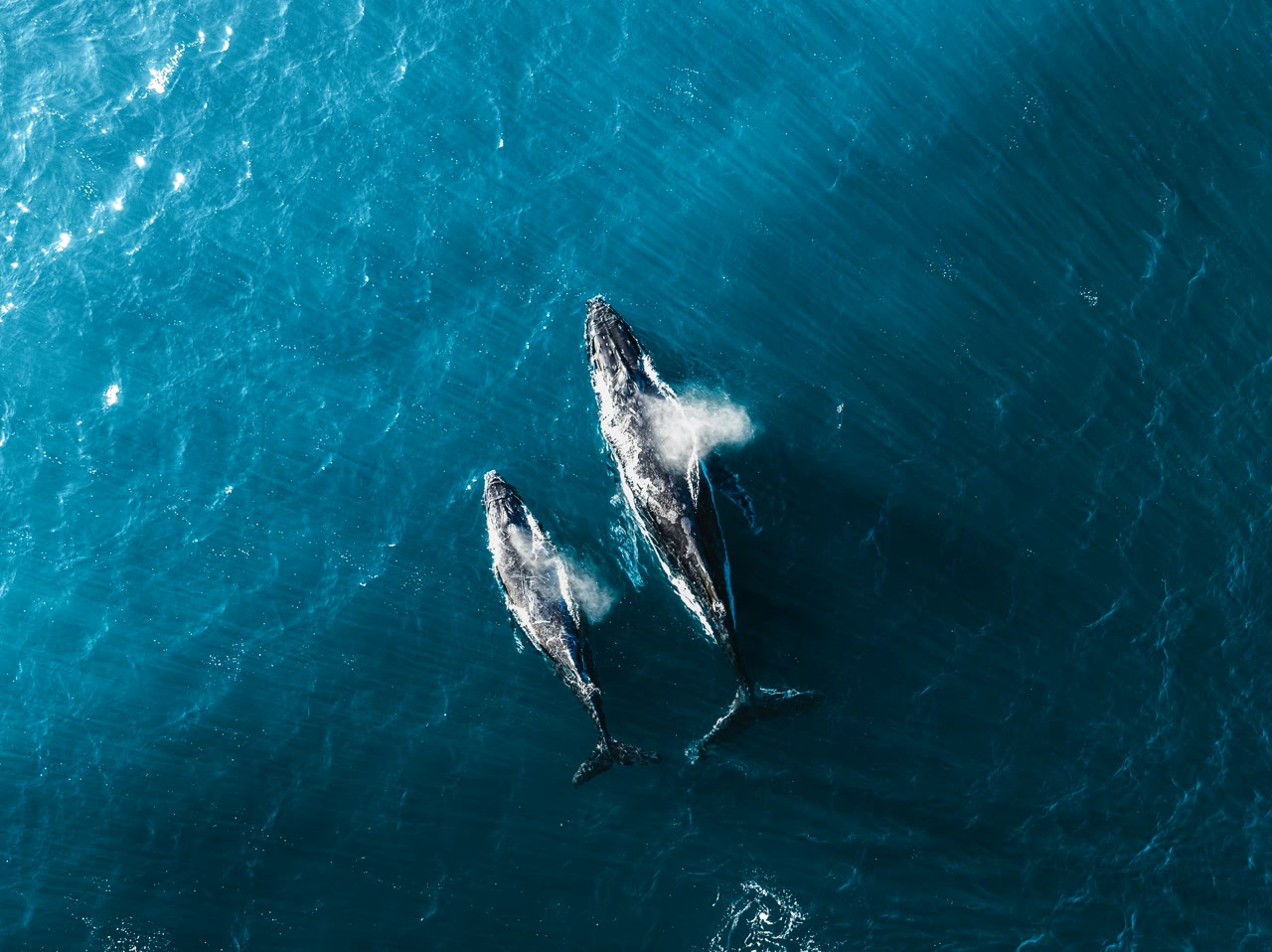
Our focus is on supporting the design of technical workflows behind the Clearing-House Mechanism, the information hub of the BBNJ which governs two-thirds of the world's ocean.
Its workflows do not exist yet, and the treaty cannot function without them. We prototype them with delegations, scientists and communities, publish what we learn, and build consensus.
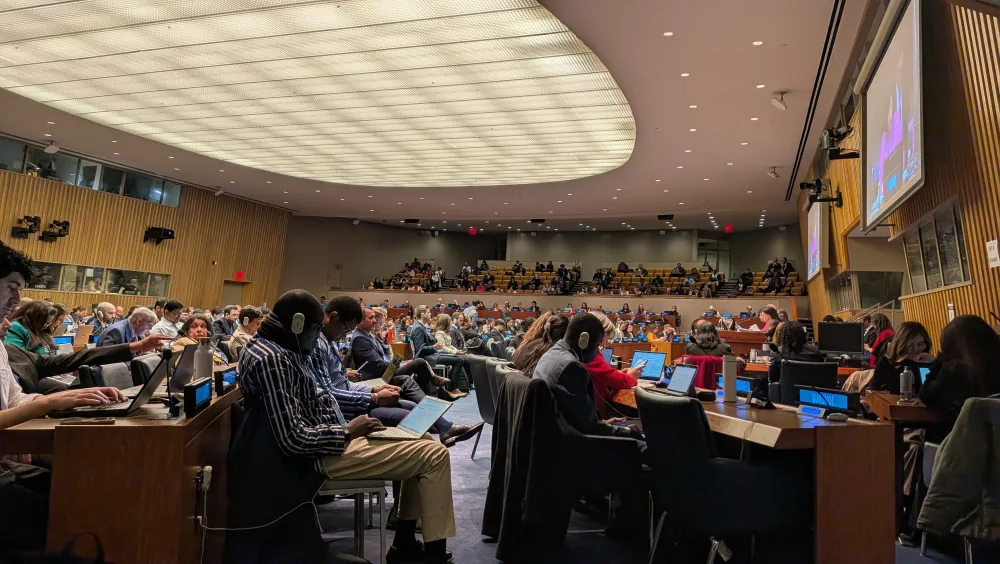
CHM is the platform that operationalizes the High Seas Treaty. It carries six legal requirements that run at the same time, spread across articles, with no product design attached. The functions below represent the requirements of the treaty. We are exploring how technical workflows can support them, without implying official implementation responsibility.
Alerts that start an obligation: collection of genetic material in situ, planned activities, significant adverse impacts.
Links to other clearing-houses, gene banks, repositories and private platforms, and builds on regional institutions.
The official public record: screening information, draft and final EIA reports, decision documents, monitoring reports.
Access to traditional knowledge of Indigenous Peoples and local communities, on the terms of the holders.
Generates BBNJ standardized batch identifiers so material can be followed from collection through utilization.
Pairs the capacity needs of developing States with available support and providers of marine technology.
Co-design process
Building CHM
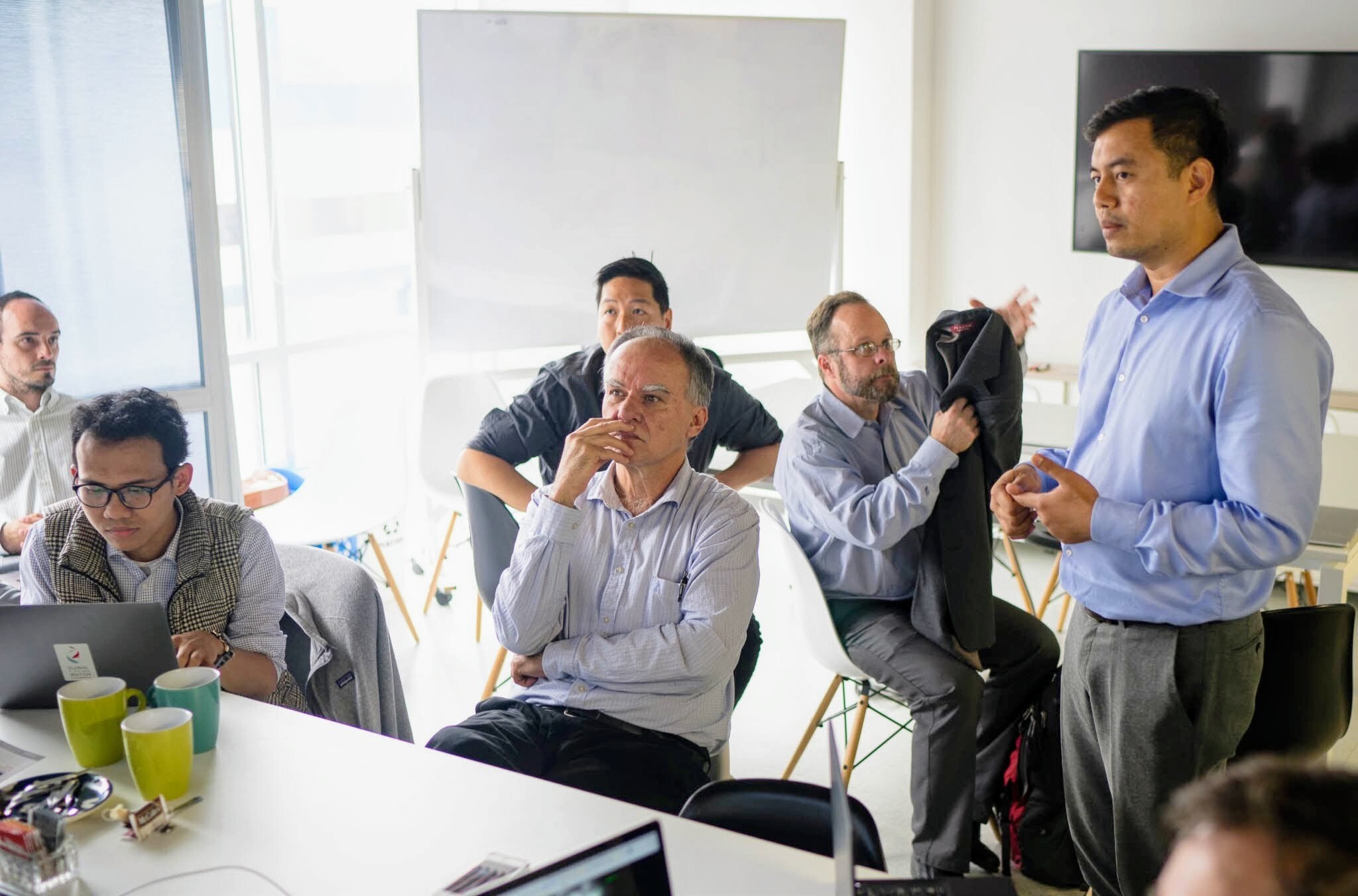
CoLab is how we build the BBNJ Clearing-House Mechanism with the people who will use it. Through collaborative workshops, delegations, communities, scientists, and technical builders identify needs, test ideas, and co-design the infrastructure that can make the Clearing-House Mechanism work in practice.
Main product
Mapping knowledge and gaps
Treaty Explorer turns the High Seas Treaty’s legal text into clear, traceable workflows. Delegates and other ocean stakeholders can select treaty provisions, see the actions and responsible actors they imply, and explore sourced options for putting those requirements into practice.
Open Treaty ExplorerCo-design process
Building CHM
CoLab is how we build the BBNJ Clearing-House Mechanism with the people who will use it. Through collaborative workshops, delegations, communities, scientists, and technical builders identify needs, test ideas, and co-design the infrastructure that can make the Clearing-House Mechanism work in practice.
Main product
Mapping knowledge and gaps
Treaty Explorer turns the High Seas Treaty’s legal text into clear, traceable workflows. Delegates and other ocean stakeholders can select treaty provisions, see the actions and responsible actors they imply, and explore sourced options for putting those requirements into practice.
Open Treaty Explorer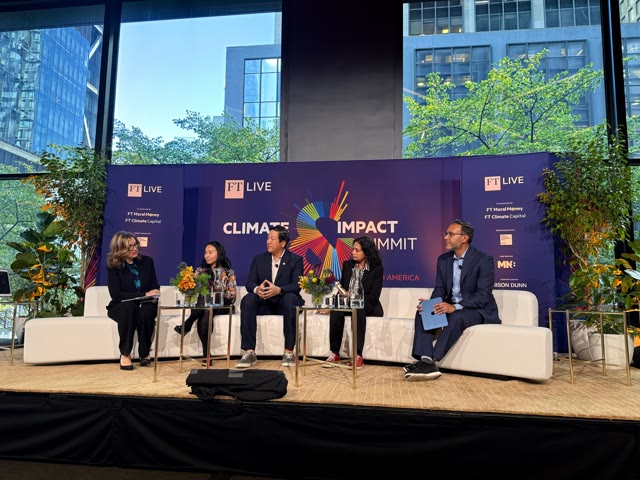
Coordination
Co-developing the infrastructure necessary for ocean governance.
Equity
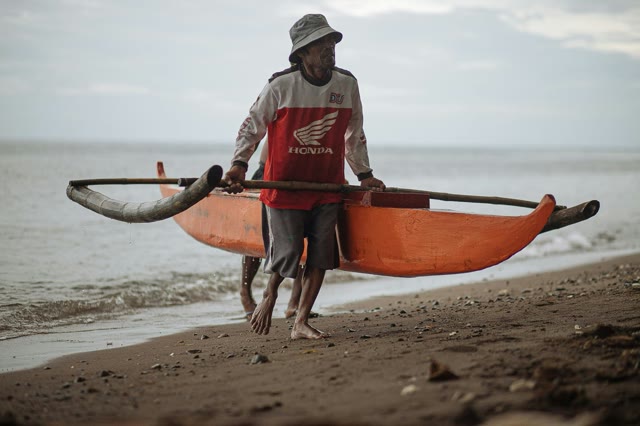
Open tools that all ocean stakeholders can equitably access.

Trust
Traceable evidence on biodiversity, productivity, and ocean health.
Coordination
Co-developing the infrastructure necessary for ocean governance.
Equity
Open tools that all ocean stakeholders can equitably access.
Trust
Traceable evidence on biodiversity, productivity, and ocean health.